
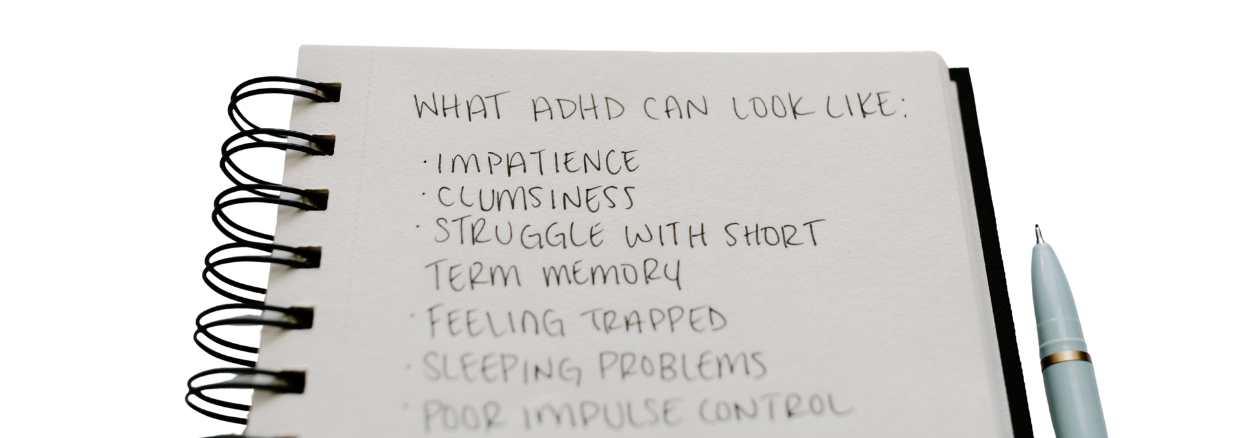
ADHD waiting times in the UK are no longer just a capacity issue. In 2026, they are a mental health risk factor.
With ADHD assessment waiting lists stretching into years in some areas, delayed diagnosis is directly contributing to worsening mental health outcomes and rising pressure on NHS services.
What happens while people wait?
When ADHD goes undiagnosed, people rarely stay stable. Common impacts include:
- Increased anxiety and low mood
- Emotional dysregulation and burnout
- Relationship breakdown and workplace difficulties
- Higher risk of crisis presentations
ADHD is frequently misdiagnosed as anxiety or depression, meaning people receive treatment for symptoms rather than causes.
Treating the symptoms, not the driver
Without a formal ADHD diagnosis:
- Individuals cycle through GP appointments and referrals
- Talking therapies stall or fail to progress
- Medication pathways are delayed or blocked
- Services absorb repeated demand with limited improvement
This creates inefficiency, frustration and escalating cost across mental health pathways.
The system cost is rising
Delayed ADHD diagnosis drives:
- Increased crisis and urgent care use
- Higher spend on repeat assessments and referrals
- Longer engagement with services without resolution
- Pressure on already stretched mental health teams
Early diagnosis and structured support consistently reduce long-term demand.
Why this matters now
ADHD demand continues to rise across all age groups. This reflects better awareness, not overdiagnosis. Services that fail to adapt will continue to see avoidable escalation, risk and cost.
The insight
Waiting is not neutral. Delayed ADHD diagnosis worsens mental health outcomes and places unnecessary strain on services. Improving ADHD pathways is not optional. It is preventative mental healthcare.
Hunter Gatherer Mental Health supports organisations to strengthen ADHD pathways, reduce waiting harm and improve outcomes.
If your service is struggling with ADHD demand or delayed access, get in touch to start a practical conversation.